We use cookies to understand how you use our site and improve your experience. Privacy Policy

All Build Guides
GamingUpdated 2026-08-062 min read

Best Gaming PC Build 2026

Our top pick for a well-rounded gaming PC that handles 1440p at high refresh rates and can push into 4K in lighter titles.

Alex ChenPublished 2025-06-148 components$2,500 budgetCompatibility checked

Build this PC in one click

Load all 8 parts into the System Builder to check compatibility and total the build against your $2,500 target.

Key Takeaways

  • The Ryzen 7 7800X3D's 96MB of 3D V-Cache still makes it the fastest gaming CPU anywhere near this price, and it removes the CPU as a bottleneck for years of GPU upgrades.
  • The RTX 4070 SUPER holds 90+ FPS at 1440p ultra in current AAA titles and 144+ FPS in esports — this is a 1440p build, not a 4K one.
  • The 850W ATX 3.0 supply and DDR5-6000 memory leave genuine headroom for a future 50-series card with no other changes.
  • Cross-shop the RTX 5070 Ti if ray tracing and DLSS 4 frame generation matter to you more than raw price per frame.
  • Step up to a 4K-class GPU only if you specifically want 4K ultra with ray tracing on; at 1440p this build is already at the sweet spot.

August 2026 price check This build was specced to a $1,500 target. At August 2026 catalogue prices the same parts list comes to about $2,481. Memory is most of the gap — the 32GB DDR5-6000 kit went from roughly $97 to about $400 — and the RTX 4070 SUPER accounts for most of the rest. The build is still the right shape for 1440p; the $1,500 number is not achievable with these exact parts this month.

The Ryzen 7 7800X3D remains the undisputed king of gaming CPUs thanks to its massive 96MB 3D V-Cache, and pairing it with the RTX 4070 SUPER gives you a GPU that punches well above its price bracket at 1440p.

This build targets 1440p gaming at high-to-ultra settings in every current title while holding the total to about $2,481 at August 2026 catalogue prices. We've balanced the budget toward the CPU and GPU while still including fast DDR5 memory, a high-quality NVMe drive, and a reliable 850W power supply that leaves room for future GPU upgrades.

Every part in this list has been selected for price-to-performance rather than brand prestige. You could swap the case or cooler for personal preference without affecting compatibility.

Updated for mid-2026: The 7800X3D is still the gaming CPU to beat, now sitting alongside the newer Ryzen 7 9800X3D, which adds roughly 8-12% gaming performance for a small premium — worth it only if you want the absolute fastest AM5 chip. On the GPU side, NVIDIA's RTX 50-series (5070 / 5070 Ti) and AMD's RX 9070 / 9070 XT are now widely available. The RTX 4070 SUPER in this build remains an excellent 1440p value and often undercuts the 5070 on price, but if you're buying new today, cross-shop the RTX 5070 Ti for stronger ray tracing and DLSS 4 frame generation. Memory and storage have climbed since launch, so the original $1,500 target no longer holds — see the price check at the top.
Our Verdict

At about $2,481 at August 2026 catalogue prices, this is still the sweet-spot 1440p build of 2026 — it was specced to $1,500 and memory and storage are the whole of the gap. The 7800X3D removes the CPU as a bottleneck for years to come, and the RTX 4070 SUPER holds high-refresh 1440p across every current title. Only step up to a 4K-class GPU if you specifically want 4K ultra with ray tracing.

Benchmark Performance

Targets 1440p high-to-ultra at 90+ FPS in AAA titles, and 144+ FPS in esports.

Average frames per second across benchmarked titles. Targets 1440p high-to-ultra at 90+ FPS in AAA titles, and 144+ FPS in esports.
GameSettingsAverage FPS1% low FPS
Cyberpunk 20771440p Ultra10088
Fortnite1440p Epic165138
Baldur's Gate 31440p Ultra9076
Call of Duty MW31440p High145120
Hogwarts Legacy1440p Ultra8268

Average FPS shown; hover a bar for 1% lows. Figures are editorial estimates unless the note above cites a source, and vary by settings, drivers, and specific SKUs.

8

Components

$2,500

Budget Tier

Pass

Compatibility

Parts List

As an Amazon Associate, PlanMyPC earns from qualifying purchases made through links on this page. Read our affiliate disclosure

Where to Spend, Where to Save

Spend more on

The GPU — the $839 RTX 4070 SUPER is the frame rate
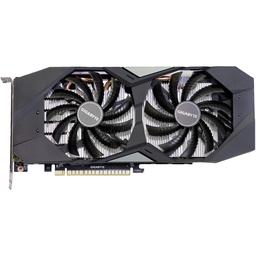
At roughly $2,481 all-in, the graphics card is over a third of the build, and at 1440p it is the part that sets every number in the chart above. Its 12GB of GDDR6X is the specific reason this build holds Ultra textures in Cyberpunk 2077 and Hogwarts Legacy where an 8GB card of similar raster speed starts evicting textures and stuttering. If you cross-shop one upgrade, make it the RTX 5070 Ti — it buys stronger ray tracing and DLSS 4 frame generation, and the 850W supply already accommodates it.
The CPU — 3D V-Cache, because it buys 1% lows rather than averages
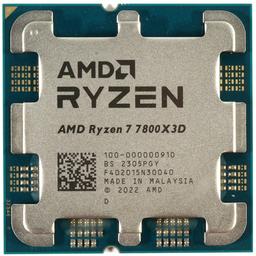
The $299.99 7800X3D's 96MB of 3D V-Cache is what keeps the 1% lows in the chart close to the averages: 88 against 100 in Cyberpunk 2077, 120 against 145 in Call of Duty MW3. A cheaper 6-core would post similar average frame rates in most of these titles and then fall apart in simulation-heavy scenes and busy multiplayer, which is where a build actually feels slow. This is the one part where the money buys smoothness instead of a bigger number.
Power supply headroom — 850W for a card you have not bought yet
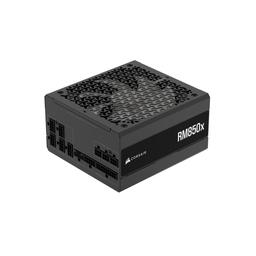
The parts list as specced draws nowhere near 850W; a good 650W unit runs it fine today. The $139.99 RM850x is bought for the upgrade the guide explicitly plans for — a 5070 Ti or 5080 pulls considerably more and spikes harder on transients, and the roughly $40 premium now is what makes that swap a screwdriver job instead of a second purchase and a full recable. Fully modular and 80+ Gold also means it stays quiet in the Fractal North's sealed-ish front.

Save on

Memory — buy the spec, not the brand, and save $100+ this month
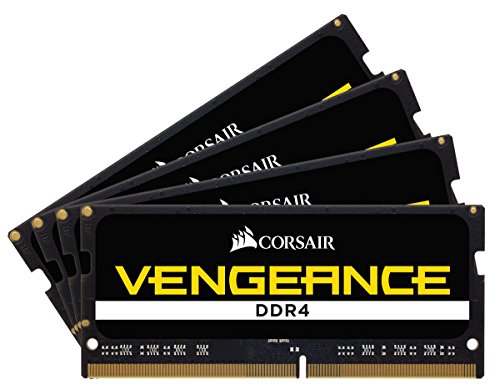
This is the single biggest saving available in August 2026. The 32GB DDR5-6000 kit specced here is $399.99, up from roughly $97 when the build was written, and it is now the second most expensive part in the list. What AM5 actually wants is 32GB, DDR5-6000, CL30, with EXPO enabled — that keeps the Infinity Fabric at its 1:1 sweet spot, and it is a specification any vendor can satisfy. Buy the cheapest kit meeting it and put nothing toward the label.
The case — the $154.99 Fractal North is an aesthetic purchase
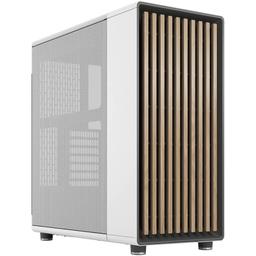
It is a genuinely good case and the real-wood front is why people pick it, but thermally it is doing nothing an $80 mesh mid-tower with two 140mm intakes will not also do for a 220W GPU and a 120W CPU. Nothing in the benchmark table moves if you spend less here. Spend the difference on memory or bank it toward the GPU upgrade — just keep a mesh front rather than a solid glass panel, which is the one case choice that does cost frames under sustained load.
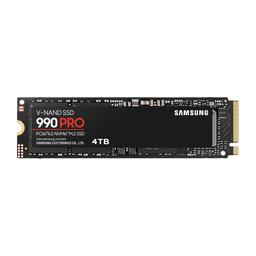
Storage capacity and tier — 2TB of 990 Pro is more drive than the build needs
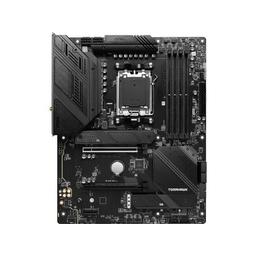
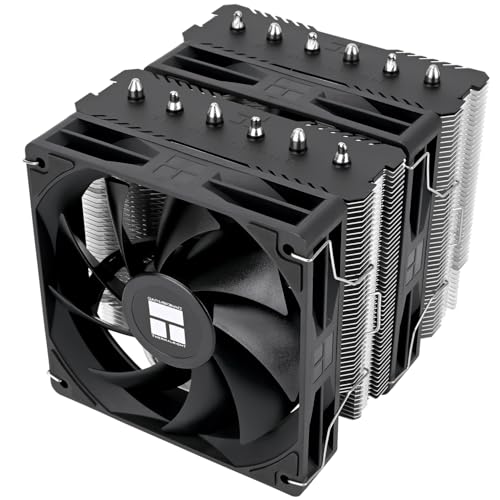
The $388.00 Samsung 990 Pro is the fastest Gen4 drive here, but game load times separate by well under a second against a mid-tier Gen4 NVMe, and nothing in the frame rate chart touches storage at all. A 1TB drive is the honest starting point, and the B650 Tomahawk's second M.2 slot means a dedicated game drive is something you add when the first fills rather than something you overbuy on day one. Keep the $47.90 Peerless Assassin as-is — it already holds the 7800X3D at boost silently, and no cooler upgrade adds a frame to a 120W chip.

Ready to build this list?

Every part above drops straight into the System Builder — compatibility checks, a running price total, and a one-click buy list.

The Bottom Line

Pros

  • Best-in-class 1440p gaming CPU thanks to 3D V-Cache
  • 850W PSU leaves headroom for a future 50-series GPU
  • Fast DDR5-6000 + Gen4 NVMe — no bottlenecks anywhere

Cons

  • Not tuned for consistent 4K-ultra in the heaviest titles
  • Ships without RGB extras — a wash for value-focused builders

Frequently Asked Questions

Can this build run 4K?

Yes, in lighter and older titles at high settings, but it is tuned for high-refresh 1440p. For consistent 4K ultra in demanding AAA games, step up to a 4080- or 5080-class GPU.

Is an 850W power supply enough?

Yes. The full build draws roughly 450–500W under load, so the 850W unit runs efficiently and leaves comfortable headroom for a future 50-series GPU.

Do I need a separate Wi-Fi card?

No — the MSI MAG B650 Tomahawk WiFi listed here includes onboard Wi-Fi 6E and Bluetooth, so you can connect wirelessly out of the box.

Should I buy the Ryzen 7 9800X3D instead?

Only if you want the absolute fastest AM5 gaming chip. The 9800X3D adds roughly 8–12% gaming performance for about $140 more; the 7800X3D remains the better value at this budget.

Related Guides

Parts8 components
Target$2,500