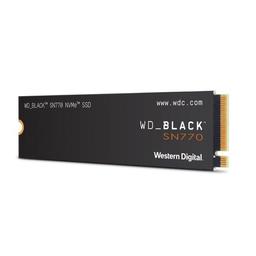
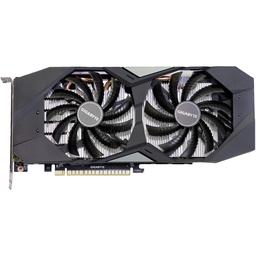
August 2026 price check This build was specced to a $1,400 target. At August 2026 catalogue prices the same parts list comes to about $2,291. Memory and the 1TB NVMe together account for about $680 of that, and the RTX 4070 SUPER adds $240 more. Frame-time headroom is the point of this build, so the GPU is the last line to cut — take the memory kit down to 16GB before touching it.
VR gaming has one non-negotiable requirement: consistent frame rates without drops. A single stutter in VR causes motion sickness in a way that a frame drop on a flat monitor never would. This build is designed around that principle — every component is chosen to ensure you maintain 90 FPS (or 120 FPS on the Quest 3) without exception.
The RTX 4070 SUPER is the VR sweet spot. Its 12GB of VRAM handles the high-resolution textures that VR headsets demand (you're rendering for two eyes at high resolution), and it has enough raw power to push demanding titles like Half-Life: Alyx and Microsoft Flight Simulator at full headset resolution without reprojection. NVIDIA's VR-specific optimizations and DLSS support also help maintain smooth performance.
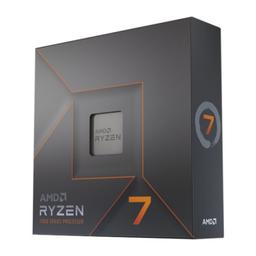
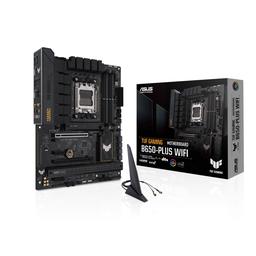
The Ryzen 7 7700X provides the single-threaded speed that VR games rely on for physics and game logic, while its 8 cores handle the additional overhead of VR runtime software, headset tracking, and game audio processing simultaneously. USB connectivity matters for VR — this board provides ample USB 3.2 ports for wired headsets and external sensors.
The Frame-Time Budget, and What ASW Does When You Miss It
Comfort in VR is not decided by average FPS but by whether frame time stays under the headset's refresh interval on every single frame — 11.1ms at 90 Hz, 8.3ms at 120 Hz. The practical 2026 floor for VR (a 6-core CPU with high single-thread speed, 16GB of RAM, an RTX 4060 / RX 7600-class GPU, one DisplayPort 1.4 output and a spare USB 3.0 port) gets you into a headset, but the gap between "runs VR" and "never drops a frame in VR" is where motion sickness lives, and this build is specced a tier above that floor for exactly that reason. It is also why the figures on this page report 1% lows rather than averages: pinned at 90 FPS in Half-Life: Alyx and Bonelab, the 1% lows sit within a few frames of the cap, and 120 FPS in Beat Saber means the headset — not the card — is setting the limit.
When a frame does miss the deadline, Asynchronous Spacewarp (Oculus) and Motion Smoothing (SteamVR) catch it. Both are reprojection: the runtime synthesises an intermediate frame from the previous one plus your head motion, so the world stays locked to your head at the cost of some artifacting around fast-moving objects. Leave it enabled as a safety net — it is far better than a dropped frame — but treat it as a floor, not a target. The benchmarks here were captured with it off so the numbers reflect what the hardware sustains; in practice you want it available for Microsoft Flight Simulator, which runs in the mid-40s at Medium-High per-eye, and rarely triggered in Alyx.
Headset Connections, VRAM and Upgrade Headroom
A Quest 3 connects either over Quest Link (a USB-C cable) or wirelessly through Air Link or Virtual Desktop. Wireless is where the GPU's video encoder and your network start to matter: pair it with a Wi-Fi 6 router on a dedicated 5GHz or 6GHz band and put the PC itself on Ethernet. The RTX 4070 SUPER handles that stream encode without meaningfully taxing the render budget. Wired PCVR sets such as the Valve Index or HP Reverb G2 use DisplayPort plus USB instead, which is why the USB spread on the B650 board is worth checking before you buy.
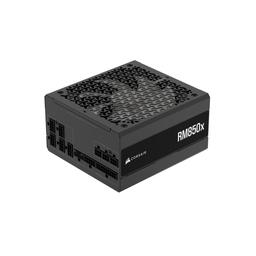
The 12GB of VRAM matters for the same reason on either connection: rendering a separate high-resolution image per eye roughly doubles the texture working set an 8GB card has to juggle, and when VRAM runs out the symptom is not a lower average FPS but intermittent hitching as textures are swapped — exactly the failure mode VR punishes hardest. The 850W supply follows the same logic. A good 650W unit would run this parts list as specced; the extra headroom costs about $40 today and turns a later RTX 5070 Ti or 5080, with its much higher transient draw, into a straight GPU swap rather than a swap plus a new supply and a full recable.
Updated for mid-2026: Consistent frametimes remain the whole game in VR, and the 12GB RTX 4070 SUPER still delivers locked headset frame rates. New buyers should look at the RTX 5070 (12GB) and RTX 5070 Ti (16GB) — the Ti's extra VRAM and DLSS 4 help at the high per-eye resolutions of newer headsets like the Quest 3/3S and current PCVR sets. The 7700X still has the single-thread speed VR runtimes lean on for physics and tracking. With DDR5 cheaper now, adding a second NVMe for a dedicated VR library (games routinely run 30–80GB each) fits the $1,400 budget more easily.
If you are not sure PCVR is where you want to spend, compare this against the flat-panel best gaming PC for 2025 at a similar budget, or the silent gaming PC if a headset-free, near-inaudible desk machine matters more to you than head tracking.