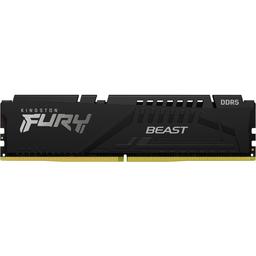
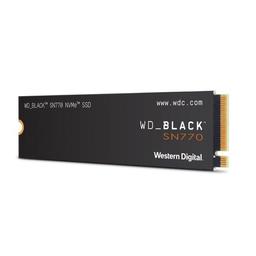
August 2026 price check This build was specced to a $1,200 target. At August 2026 catalogue prices the same parts list comes to about $2,124. Memory and storage are the entire story: the 32GB DDR5 kit and the 1TB NVMe together went from about $148 to about $828. Nothing about the ITX argument below has changed — the cost of the two cheapest-looking lines has.
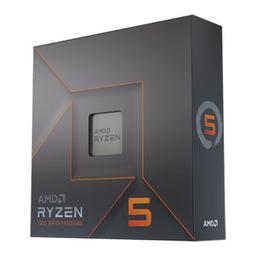
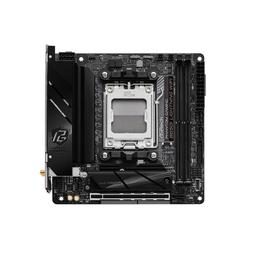
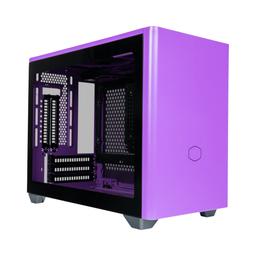
At roughly $2,124 this is a genuine Mini-ITX gaming PC: a Ryzen 5 7600X and an 8GB RTX 4060 Ti on an ASRock B650I Lightning WiFi board, inside a Cooler Master MasterBox NR200P that occupies about 18 litres. Small enough to sit on the desk beside a monitor or under a TV rather than on the floor — and, the part that matters, it gives up no frame rates to a mid-tower built for the same money.
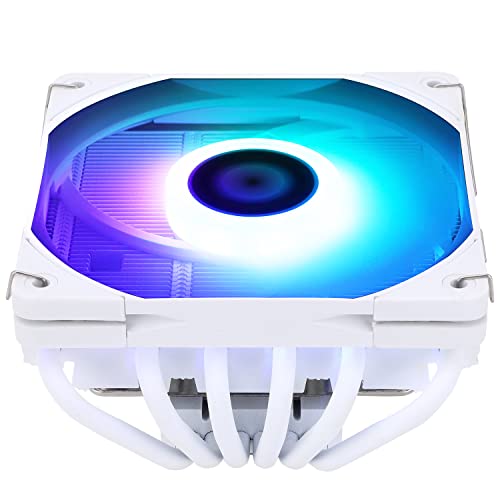
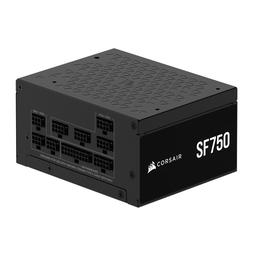
The small-form-factor tax is real, and this build pays it deliberately. A B650I board costs $50-$70 more than the Micro-ATX equivalent and gives you two RAM slots instead of four. An SFX power supply runs $30-$40 over a comparable ATX unit. That is roughly $100 spent on volume rather than on performance. The money comes back out of the cooler: 18 litres rules out a 280mm radiator anyway, and a $45 top-flow cooler like the Thermalright AXP120-X67 does in this chassis what a $129 AIO was doing in a bigger one. Net cost of going properly small here: about $11.
What you give up is thermal headroom and expansion, not frames. The Ryzen 5 7600X is the right chip for this volume for the same reason it is good value generally: six Zen 4 cores finish game logic fast enough that the graphics card is the limiter in every title measured below, so a higher-core part would add heat this case has to remove and frames this GPU cannot use. Be honest about the consequence of 18 litres, though — a 67mm cooler holds far less thermal mass than a 280mm radiator, so under a sustained all-core load this machine is audible in a way a mid-tower is not. In games, where the 7600X rarely runs every core flat out and the whole system dissipates under 300W, it stays reasonable. If quiet matters more than the last few percent of CPU performance, the 65W Ryzen 5 7600 is the better chip in a case this size and saves about $30.
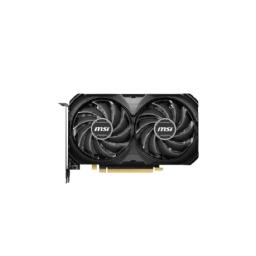
The other Mini-ITX constraint is the graphics card, and it is worth checking before you buy. The NR200P takes a full-length card but only two expansion slots' worth of thickness. The MSI Ventus 2X in this list is a two-slot card and fits with room around it; plenty of 2026 mid-range cards ship 2.5- or 3-slot coolers that will not. Count the slots, not just the millimetres.
The real ceiling is VRAM, not shader power. Eight gigabytes was comfortable when this card launched and it is this build's limit in 2026. At 1080p it is a non-issue. At 1440p it is why Hogwarts Legacy and Alan Wake 2 want texture settings dialled back on a card that a 16GB sibling of identical speed would run at Ultra. If you can stretch the budget in exactly one place, stretch it here: the RTX 5060 Ti 16GB removes those compromises outright, and the 750W SFX supply already has the headroom for it.
Updated for mid-2026: this is a true ITX parts list now, rather than a small-ish mid-tower wearing the label. If you want more frames rather than a smaller box, the $2,300 1440p build is the natural step up; if the budget is tighter, the sub-$1,000 build covers 1080p well. You can price any of these swaps in the system builder.